Latest News
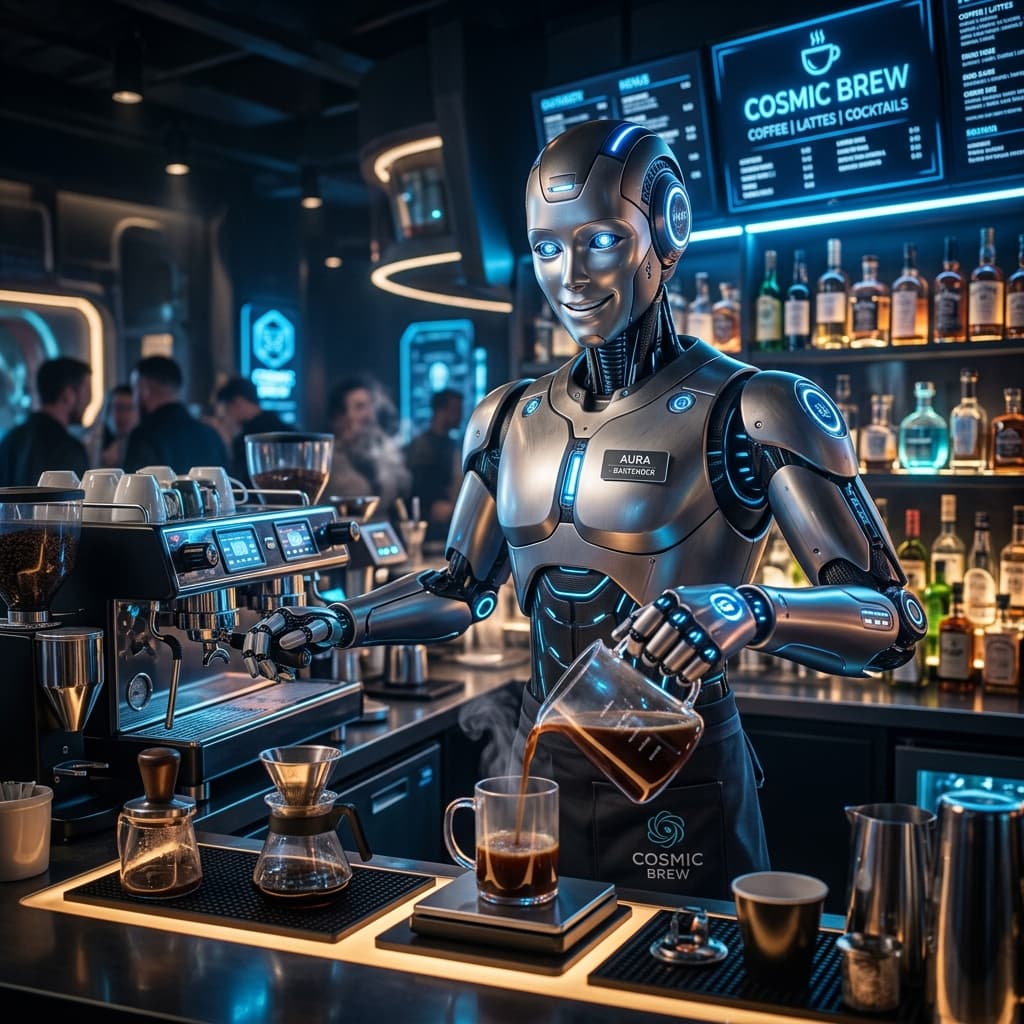
Richtech Robotics Launches 24/7 Humanoid Livestream
June 18, 2026Service robotics pioneer Richtech Robotics has launched a 24/7 interactive livestream platform featuring its humanoid robot, ADAM, creating a unique virtual showcase for human-robot interaction.
The platform allows online viewers to chat with ADAM in real-time, asking questions, requesting actions, and watching the robot perform precise tasks like pouring drinks or organizing objects. By positioning ADAM as a "robot influencer," Richtech aims to familiarize the general public with interactive humanoid helpers and collect valuable conversational data to train the robot's social capabilities.
Commercial Roles for ADAM
In addition to the livestream, ADAM is actively being deployed in commercial service roles, acting as a barista and bartender in restaurants, hotels, and event spaces. With dual-arm coordination and advanced sensor systems, ADAM can independently operate espresso machines and mix beverages, demonstrating how humanoid robots can seamlessly assist human staff in high-traffic hospitality environments.
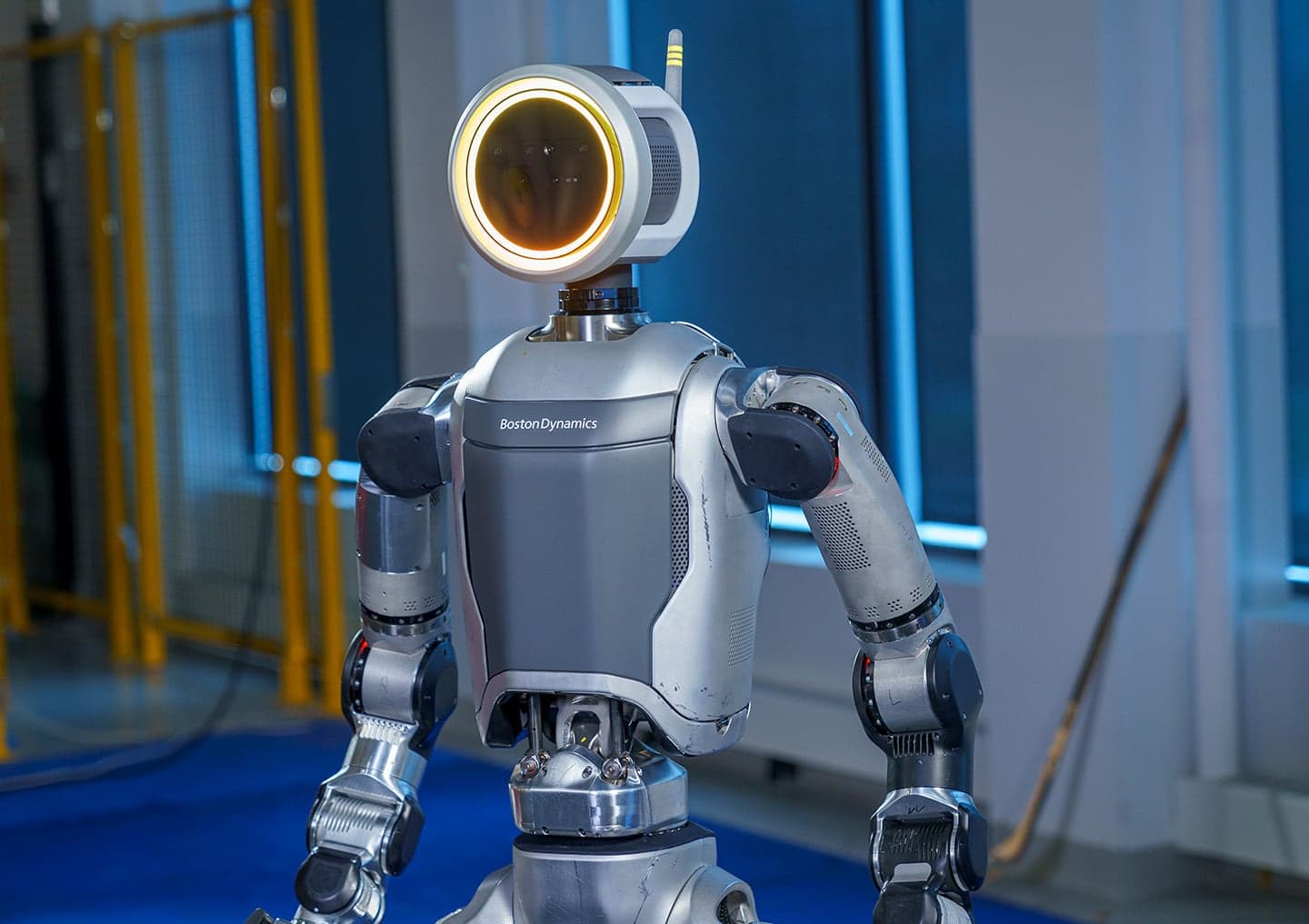
Hyundai Finalizing Deal for Full Ownership of Boston Dynamics
June 16, 2026Hyundai Motor Group is finalizing a $325 million deal to purchase the remaining 9.65% stake in Boston Dynamics from SoftBank, marking the transition of the legendary robotics pioneer into a wholly owned subsidiary of the automotive giant.
The acquisition represents a strategic alignment to deeply integrate Boston Dynamics' hardware into Hyundai's global manufacturing network, particularly its upcoming electric vehicle metaplants. Under Hyundai's full ownership, the developers plan to accelerate the transition of their robots from research platforms to commercially viable industrial workforces.
Commercializing the Electric Atlas
The timing of the deal coincides with the commercial production ramp of the new electric Atlas robot. Unlike its hydraulic predecessor, the electric Atlas is designed specifically for heavy industrial utility, featuring 360-degree joints, modular hands, and fleet integration via Boston Dynamics' Orbit software. Initial production fleets for 2026 are already fully committed to deployments at Hyundai facilities and partners like Google DeepMind.
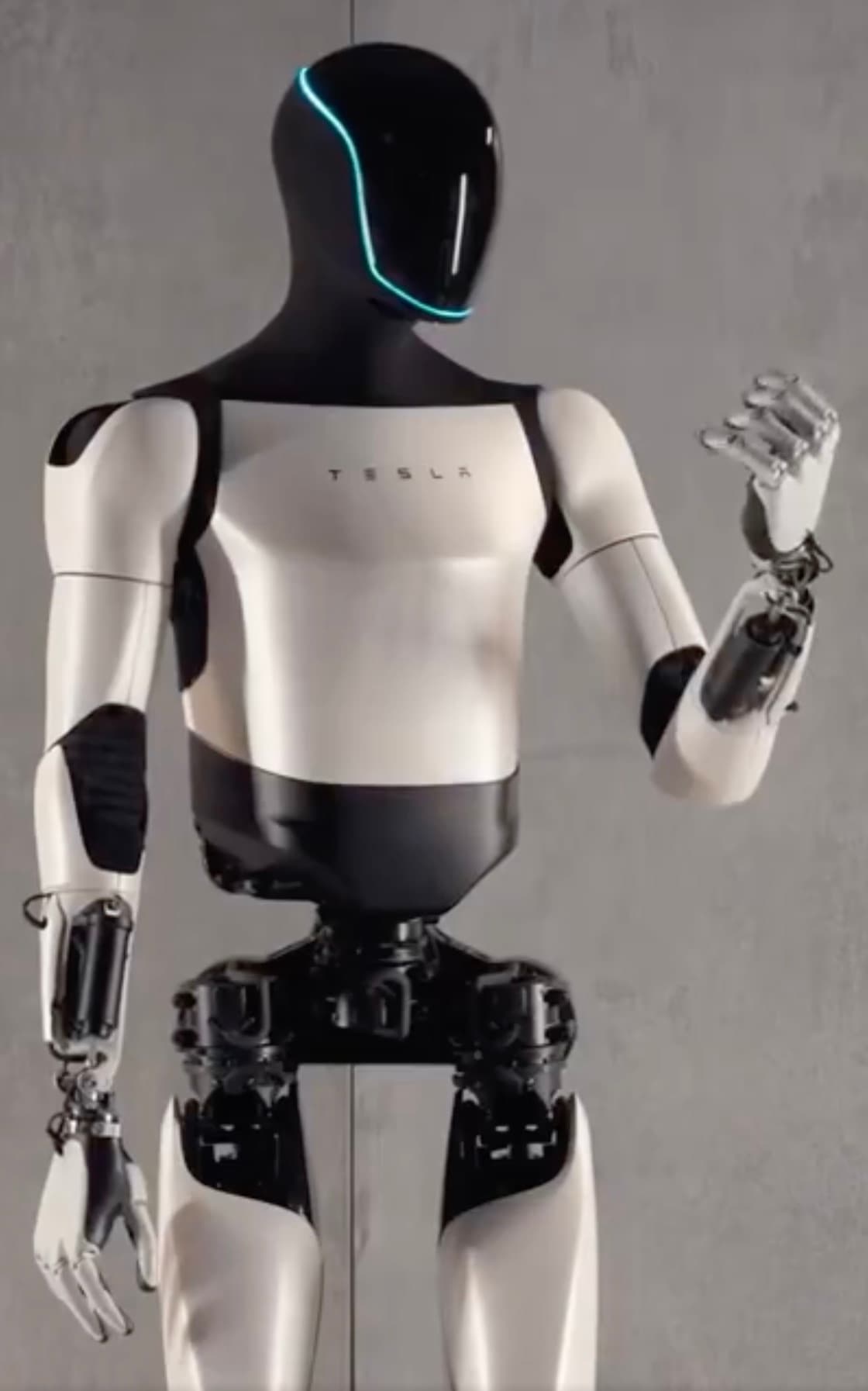
Tesla Breaks Ground on Giga Texas Optimus Factory
June 12, 2026Tesla has officially broken ground on a dedicated, high-capacity manufacturing facility for its Optimus humanoid robot, located at the North Campus of Giga Texas.
Aerial footage and site reports show significant excavation and site preparation, highlighting Tesla's commitment to scaling its robotics division. The company has dedicated a substantial portion of its $25 billion capital expenditure budget for 2026 to AI training infrastructure and robotics production, looking toward a long-term goal of producing millions of humanoid assistants annually.
Internal Deployments of Gen 3 Units
While Optimus is not yet available for commercial purchase, Tesla has already begun deploying its production-standard Gen 3 models internally. These units—which boast biomimetic tendon-driven hands with 22 degrees of freedom and are powered by the new in-house AI5 processor—are operating 24/7 shifts on Tesla's automotive assembly lines in Fremont and Austin, gathering the critical data needed to refine the robot's autonomy policies.
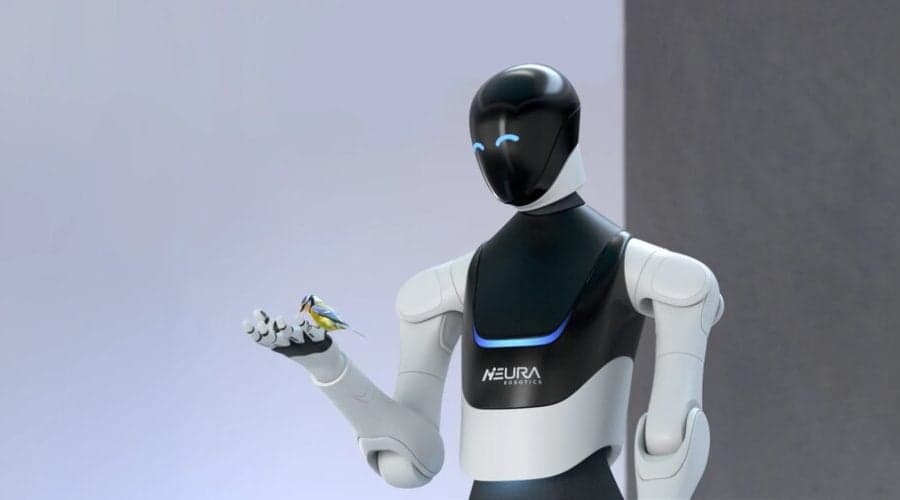
NEURA Robotics Secures Record $1.4B Series C
June 10, 2026Full-stack cognitive robotics developer NEURA Robotics has closed a massive $1.4 billion Series C funding round, setting a new record for the largest funding round in the history of full-stack robotics companies.
The round was led by Tether, with participation from major global technology leaders and industrial giants including Amazon, NVIDIA, Qualcomm Technologies, Bosch, and Schaeffler. The influx of capital is slated to fuel the rapid development of NEURA's "Physical AI" platform and scale serial production of their cognitive systems, with a target of manufacturing several million units by 2030.
Expanding the Neuraverse
In addition to ramping up production of their 4NE-1 humanoid robots and collaborative cobots, NEURA plans to invest heavily in the Neuraverse—a shared intelligence ecosystem—and roll out NEURA Gyms, which are dedicated real-world and simulated training grounds where their cognitive robots can learn new skills and generalize behavior across multiple domains.
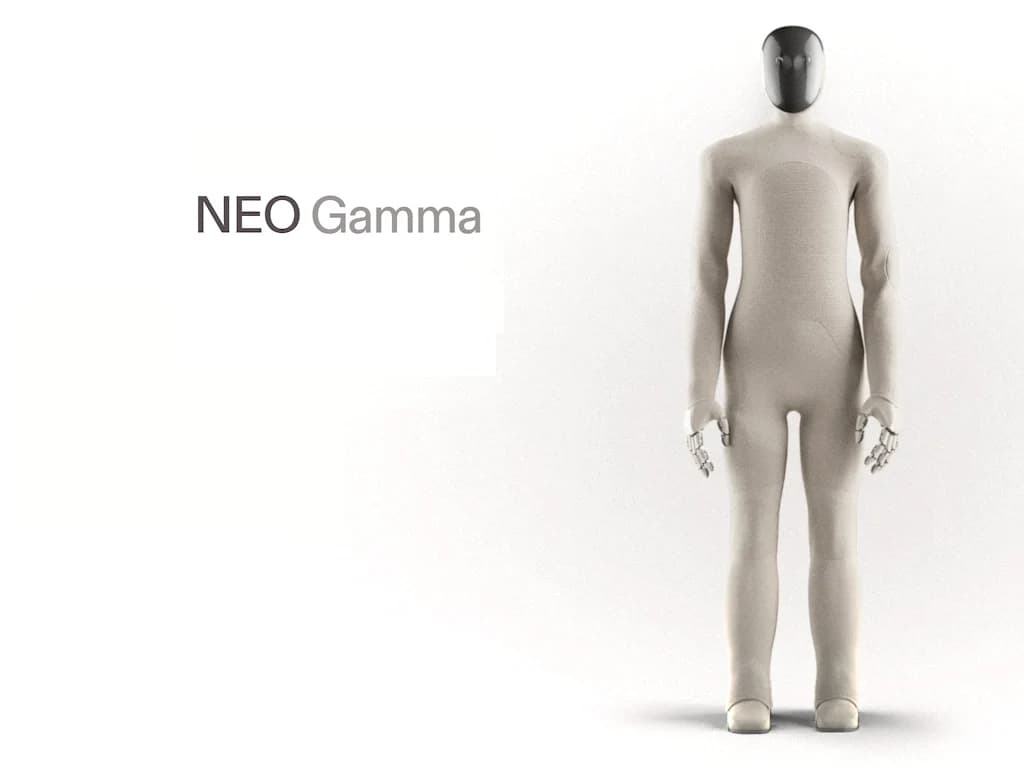
1X Neo Teases Safe Home Robotics
June 10, 20261X Technologies (formerly Halodi Robotics), backed by OpenAI, has released the first public teaser videos of NEO, its upcoming humanoid robot designed specifically for safe interaction in residential home environments.
Unlike standard industrial robots made of rigid, exposed metal structures, NEO is designed with a soft, padded exterior and a tendon-driven mechanism. This muscle-like design makes the robot lightweight, compliant, and inherently safe around children and pets. NEO is engineered to assist with household chores, including tidying up, doing laundry, and lifting groceries.
Natural AI Control
By leveraging OpenAI's advanced AI models, NEO is designed to interpret natural language commands and reason about everyday home tasks. 1X is focusing on "embodied intelligence" that learns directly from human demonstrations. The target is a robot that can safely navigate the complex, unstructured environment of a home, bringing the dream of a robotic personal assistant one step closer to reality.
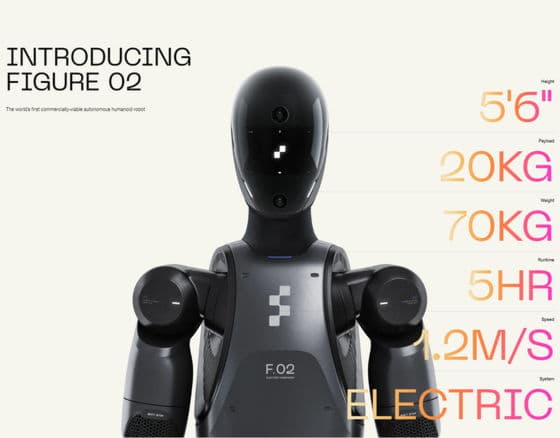
Figure AI's Robot Fleet Outnumbers Human Headcount
June 8, 2026In a historic milestone for industrial automation, Figure AI founder Brett Adcock announced that the company's active fleet of humanoid robots has officially surpassed its total number of human employees for the first time.
The robot population, now estimated to exceed 700 active units, has scaled rapidly thanks to the company's proprietary "BotQ" manufacturing facility in Sunnyvale, California, which has achieved a production speed of approximately one robot per hour. These robots are being deployed across test sites and partner facilities, including BMW manufacturing plants, where they perform pick-and-place and sorting operations.
Helix AI and Vision-Language Reasoning
This deployment scale is supported by Figure's end-to-end neural network, Helix. Helix enables the robots to perform long-horizon physical tasks, such as organization and tool manipulation, with full-body coordination. By integrating advanced vision-language models (VLMs), the robots can reason through unstructured situations and adapt their grip or posture on the fly when handling unfamiliar items, showing a transition from rigid automation to true dynamic intelligence.
Figure 02 Released with OpenAI Brain
May 22, 2026Figure AI has officially unveiled its next-generation humanoid robot, Figure 02, featuring a completely redesigned chassis, upgraded computing power, and real-time speech-to-speech interaction powered by OpenAI models.
The robot boasts a sleek matte black exterior with fully integrated wiring and cables to prevent snags in industrial settings. According to Figure, the robot has three times the processing power of its predecessor, allowing it to perform neural network inference locally and autonomously.
Natural Speech & Visual Reasoning
Through its partnership with OpenAI, Figure 02 can hold natural, low-latency conversations with humans. It utilizes onboard cameras and vision models to perceive its environment, describe what it sees, reason about complex tasks, and explain its actions. During tests in BMW assembly plants, Figure 02 demonstrated its ability to pick and place sheet metal parts, showing how AI-powered humanoids can seamlessly integrate into commercial manufacturing workflows.
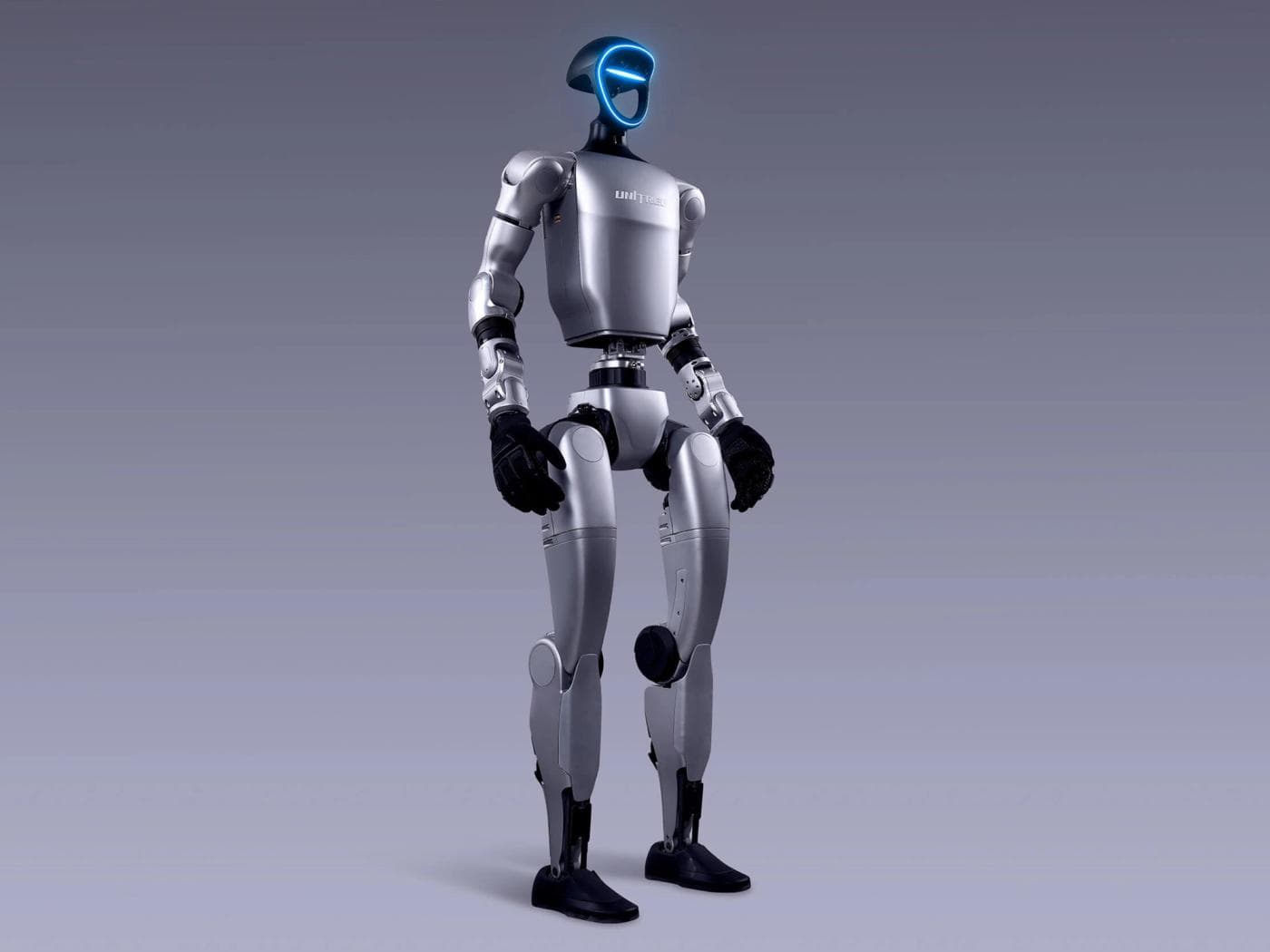
Unitree G1 Shocks Market with $16k Price Tag
April 15, 2026Unitree Robotics, known for its high-performance quadruped dogs, has sent shockwaves through the humanoid robotics industry by announcing the Unitree G1, a mass-market humanoid robot starting at an unprecedented price of just $16,000.
The G1 stands at approximately 127cm (50 inches) tall and weighs around 35kg (77 lbs). Despite its smaller stature, it is packed with high-end tech, including a 3D LiDAR system, a depth camera, and high-torque joint motors that give the robot extreme flexibility. In promotional videos, the G1 is shown folding itself completely flat to fit into a backpack, standing back up, and recovering from heavy physical kicks.
Democratizing Humanoid Research
At $16,000, Unitree is targeting researchers, educators, and developers who previously found the six-figure price tags of other humanoid platforms prohibitive. The robot is powered by reinforcement learning and imitation learning algorithms, enabling it to perform tasks like cooking, opening bottles, and using tools, showing that low-cost hardware can still achieve high-tier functionality.
Boston Dynamics Retires Hydraulic Atlas
March 2, 2026After more than a decade of pushing the boundaries of robotics, Boston Dynamics has officially retired its legendary hydraulic Atlas robot. Known for its viral parkour, dancing, and backflip videos, hydraulic Atlas was a research platform that defined an entire era of dynamic control theory.
In a farewell video, the company showcased a compilation of Atlas's most impressive triumphs, alongside some of its most spectacular falls during testing. While hydraulic systems allowed for high power output and explosive movements, their complexity, weight, and susceptibility to fluid leaks made them impractical for real-world commercial deployment.
The Shift to Electric Humanoids
Just one day after the retirement announcement, Boston Dynamics unveiled the next generation: a fully electric Atlas designed for commercial applications. The electric Atlas features a much slimmer profile, incredibly high-torque actuators, and a unique 360-degree swivel joint design that allows it to move in ways humans cannot, positioning it as a direct competitor in the upcoming warehouse and logistics robotics market.
Tesla Bot Optimus Gen 2 Revealed
January 18, 2026Tesla has officially revealed the second generation of its humanoid robot, Optimus Gen 2. In a demonstration video released by the company, the robot is shown performing tasks with a much higher degree of dexterity and fluid motion than its predecessor.
The new iteration features a 30% increase in walking speed and a 10kg (22 lbs) reduction in total weight, achieved through optimized structural components and custom-designed actuators. Additionally, the robot exhibits improved body balance and full-body control, showing off its ability to perform squats while maintaining stability.
Enhanced Tactile Manipulation
The most significant upgrade is the introduction of all-new hands with 11 degrees of freedom (DoF) and integrated tactile sensors on all fingers. In the demonstration, Optimus Gen 2 is shown handling delicate objects—picking up an egg from a carton, transferring it to an egg boiler, and gently placing it down without cracking it. This milestone highlights the progress Tesla has made in sensor integration and fine-motor control, bringing them closer to their vision of a general-purpose domestic and industrial assistant.