Applications of Humanoid Robots
Navigating a Human-Centric World
The world we live in—our homes, offices, factories, and cities—was designed for the human form. Door handles are at hand height, stairs match our stride, and tools are shaped for our grip. While wheeled robots struggle with stairs and specialized arms fail at generalized tasks, androids are the universal key to this human-built lock. By mirroring our physiology, they can seamlessly integrate into our existing infrastructure without requiring expensive retrofits. They don't just work for us; they work *with* us, in the spaces we've already built.
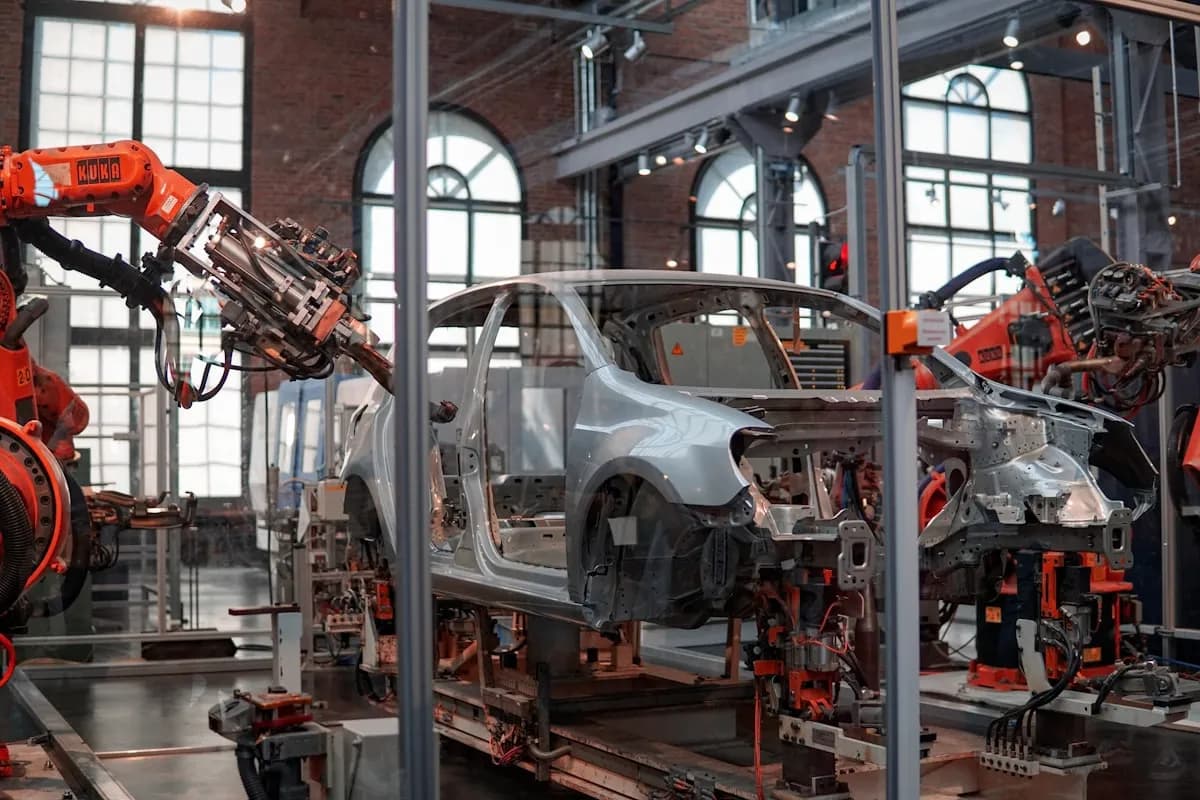
Industrial Labor & Manufacturing
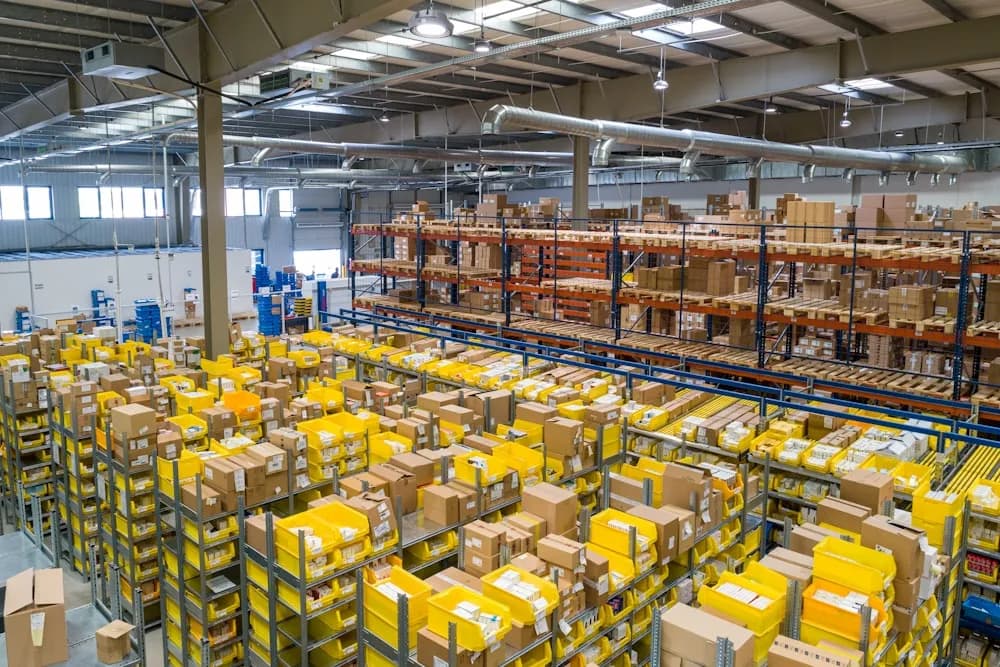
Logistics & Warehousing
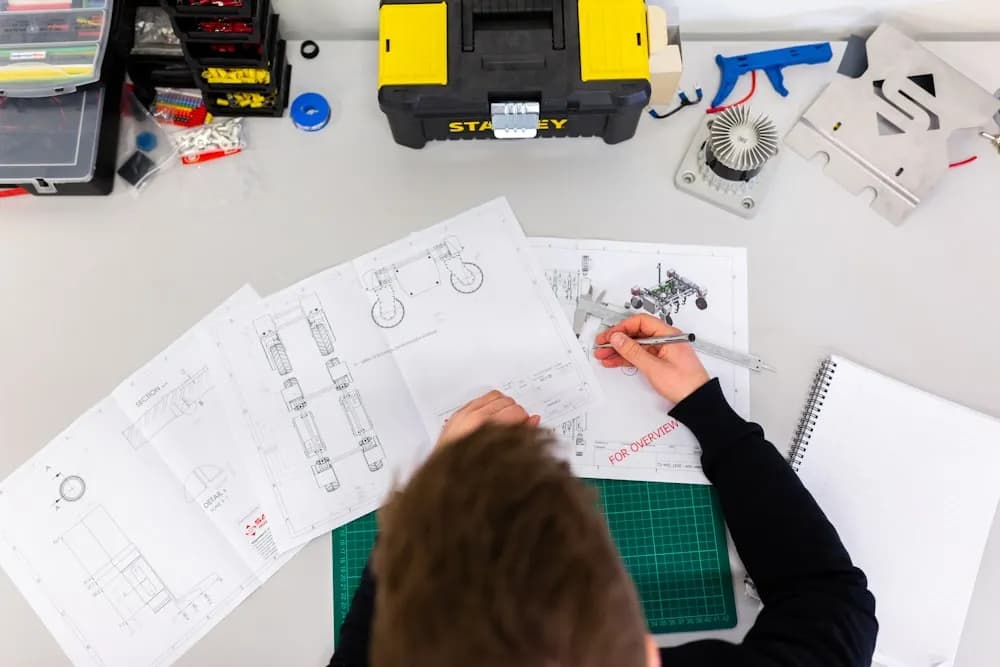
Healthcare & Eldercare

Hazardous Environments
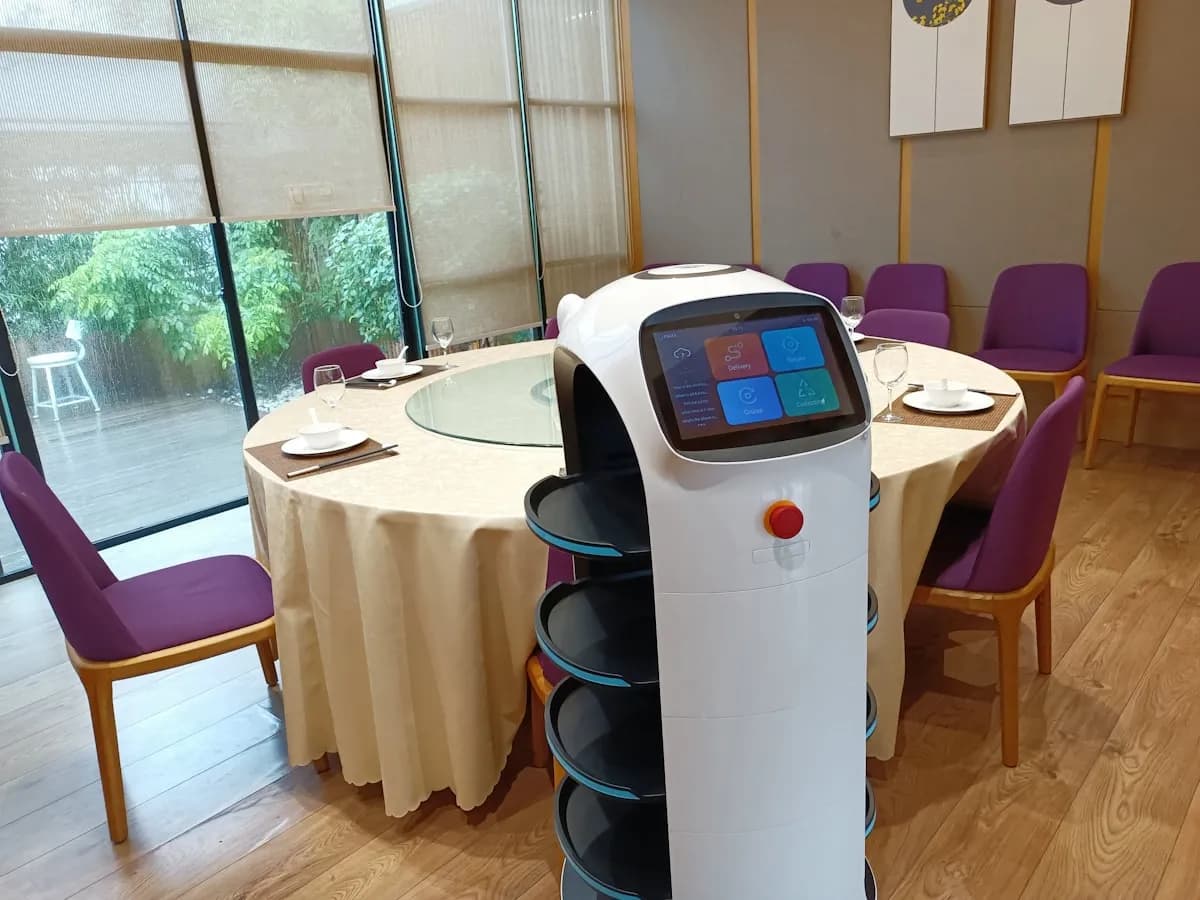
Service & Hospitality
Space Exploration

Domestic Assistance

Frequently Asked Questions
What are humanoid robots used for?+
Humanoid robots are general-purpose machines designed to operate in spaces built for people. Today they are used in manufacturing, warehousing and logistics, healthcare and eldercare, service and hospitality, hazardous environments, space exploration, and increasingly the home, where they take on repetitive, dangerous, or labor-short tasks.
Which industries are adopting humanoid robots first?+
Industrial labor and logistics lead adoption because tasks are structured, repetitive, and economically valuable. Automotive assembly lines and fulfillment centers are common early deployments, followed by healthcare, hazardous-environment work, and service roles.
Can humanoid robots work safely alongside people?+
Modern androids combine force-limited actuators, soft-touch surfaces, and AI perception so they can sense and respond to humans nearby. This lets them share workspaces with people, hand over objects, and stop or slow down when a person enters their path.
Why use a humanoid form instead of a specialized robot?+
The world is built for the human body — door handles, stairs, tools, and vehicles all assume our shape. A humanoid form lets one robot navigate existing infrastructure and switch between many tasks without expensive retrofits, whereas a specialized machine usually does only one job.
When will humanoid robots be available for home use?+
Domestic androids that can do laundry, dishes, and tidying are an active goal but remain the hardest application because homes are unstructured and unpredictable. Expect home deployments to follow industrial and commercial success as costs fall and AI reliability improves.
See which androids are doing this work
New applications are discovered every day as AI capabilities expand. Compare the robots built for each of these jobs across the WhichAndroid database.